Blog

  • Banished: One man, one game

    x01There are a few misnomers when it comes to games and the creation of them. One of the most common is that it takes dozens, maybe even hundreds, of people to make, build and create the games that we love and enjoy. While that certainly can be the case, you would be surprised about the number of projects that have only a handful of people working on them. These smaller teams have a couple of advantages over those larger ones; while the scope of the game might be smaller and the amount of systems won’t be as robust, these smaller titles can often be a lot more focused and tightly designed.


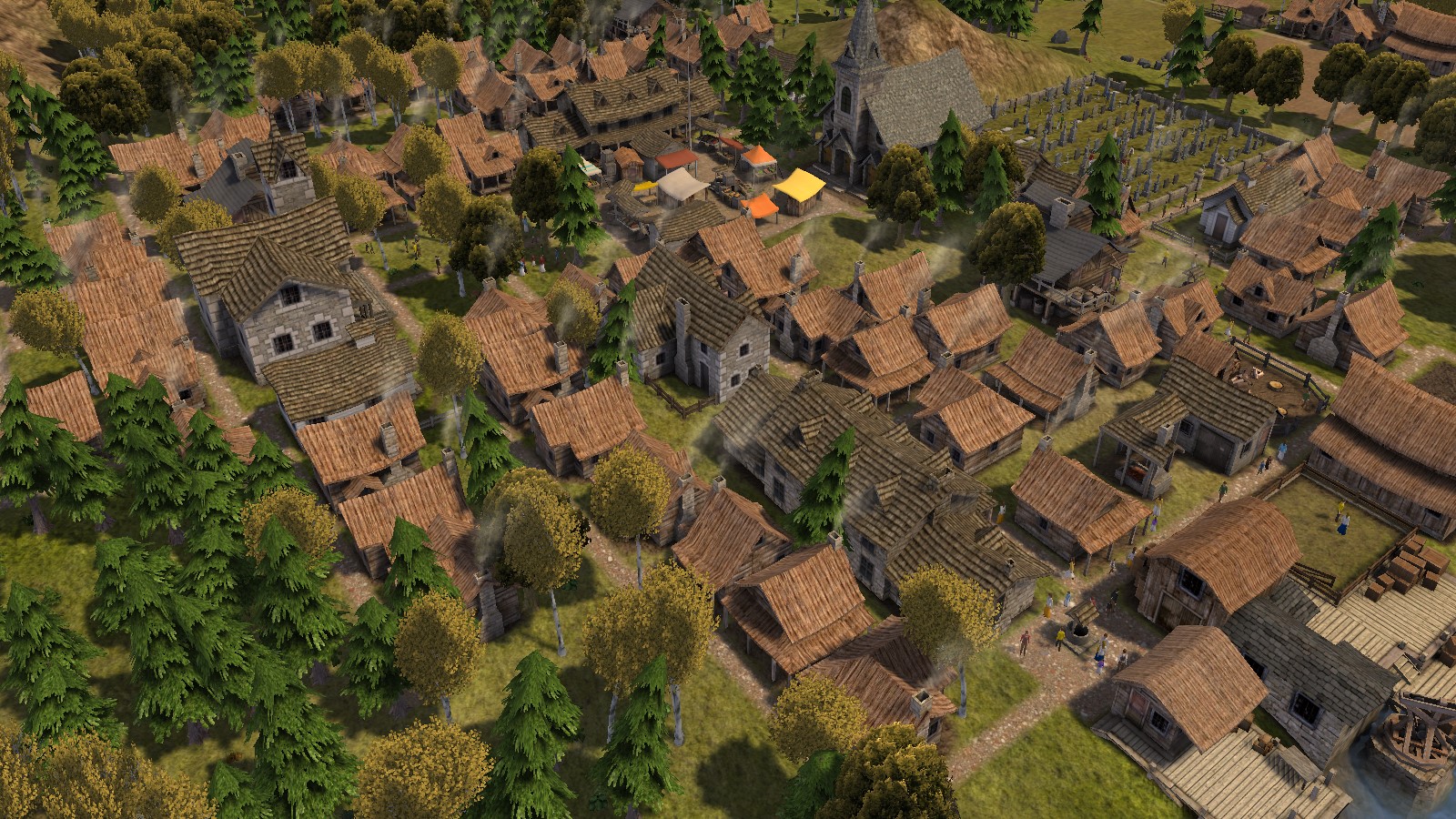
    Banished is one such title. Developed by one person the game is about building a town that can survive against the harshest conditions. It’s set in a fictional medieval time so things like crop failure or harsh weather conditions can severely impact the health of your people. You need to be prepared for all eventualities; even the smallest mistake can cause catastrophic failure, and not being prepared for winter can quickly cause you to start again.


  • XCOM: Enemy Unknown

    Reimagining classic franchises can be an extremely dangerous thing to try. On the one hand you need to try and add a modern twist to a classic genre; trying to update it and making it relevant to a modern audience, and most importantly trying to make it sellable to modern buyers. On the other hand you need to worry about the original fans; those you know will be watching your development process like a hawk, waiting for you to make a mistake besmirching their beloved game.
    XCOM is one such franchise. A classic in its day; the game was brutally difficult. Putting players in the shoes of the XCOM: Planetary Defense team. You have to make tough decisions about countries to lose, countries to save and who to leave behind. The remake, somehow, manages to capture a lot of the drama and tension of the original games. while also adding a modern twist. It wasn’t quite as successful as the original, but it came pretty damn close.

  • The Witcher: Russian literary movement to gaming megastar

    One of the most popular series of books to come out of Poland is The Witcher; a series of books about a white haired man named Geralt of Rivea. The series focuses on the ever changing fantasy world, as it becomes more modern and advanced. Geralt is a witcher; a man with great powers tasked with killing monsters that plague the land. As the world becomes more stable, however, his work begins to get scarce and suddenly Geralt finds himself drawn into battles of politics.

    So rich was that world that The Witcher game series was born. It’s a beautiful game, and expertly crafted and written to force players to make choices at every step of the way. The Witcher prides itself on moral grey areas; there are no right and wrong decisions. But whatever you choose you have to be prepared to live with the consequences of your actions.

  • Dragon Age: Origins: Dragons, origins and Bioware

    Way back in the day the role playing game was king. Games like Baldur’s Gate, Icewind Dale and Planescape: Torment ruled the roost. They rewarded players with deep and interesting choices that affected the story, while also having good tactical combat. As consoles entered the market, though, these classic role playing games began to suffer – with the heavy reliance on mouse and keyboard controls not translating well onto the simpler gamepads.

    However Bioware found a way of creating a role playing game in that classic mould and translating it well onto consoles, by cleverly utilising the strengths of both platforms. PC players were rewarded with the classic top down view and extended combat options, while console players were given a game they would be used to; with over the shoulder combat and slightly simplified camera system. No matter what system you played on Dragon Age: Origins is a worthwhile purchase.


  • Company of Heroes 2: The perfect sequel?

    Way back in 2005, the sadly defunct, THQ greenlit a project from a company called Relic Entertainment – the people behind games like Warhammer 40k: Dawn of War and the legendary Homeworld games. That game would go on to become Company of Heroes; a beautiful, strategic and visceral real time strategy game about World War II.

    The game released to massive success; huge sales with great reviews from websites and journalists all over the world and, until recently, still drew huge numbers of players. That is, until, Company of Heroes 2 was released. When THQ went bankrupt Sega picked up Relic Entertainment and greenlit a sequel to Company of Heroes. The second game hasn’t attracted the same player base the original did though; thanks largely to the confusing structure of the downloadable content the game has released so far; with over 50 individual pieces of DLC released so far – ranging from missions, to armies and full blown expansions.