 I am a big fan of a number of innovations and measures that Steam have taken over the years with regards to PC gaming. One of the more recent changes, though, is the inclusion of free weekends for a number of games. What happens is between Friday and Monday you can test out a game, usually a fairly prominent one, for free and, if you like it, you can buy it at a reduced price. The game is already installed so there will not be any additional downloads and you can pick up exactly where you left off.
This weekend the game is Saint’s Row 4; from the popular Saint’s Row franchise. The open world nonsense is taken to a whole new level where you play as the President of the United States while defending the country against an alien invasion. And you have superpowers. No, really.
Blog
-
Free weekends on Steam
-
Time and money: Gaming’s bane
 Gaming is a fantastic hobby. The worlds you see, the friends you make and the fun you have are all almost unparalleled by any other. Where gaming can fall down, as with many other of the hobbies we take on, is that it can cost a large amount of money and take up a massive amount of time. The difference between gaming and many other forms of enjoyment is that if you purchase a game for, say, $60 you feel obliged to spend a certain amount of time with it; something uncommon to other hobbies.
And at what stage do you call it a day? Did you enjoy the game? Did you enjoy it enough for $60? Do you return it? Trade it in? Or stick with your purchase until you feel you’ve had enough fun? It’s a problem exclusive to games and isn’t going away any time soon; there are simply too many games.
-
Contracts and Missions
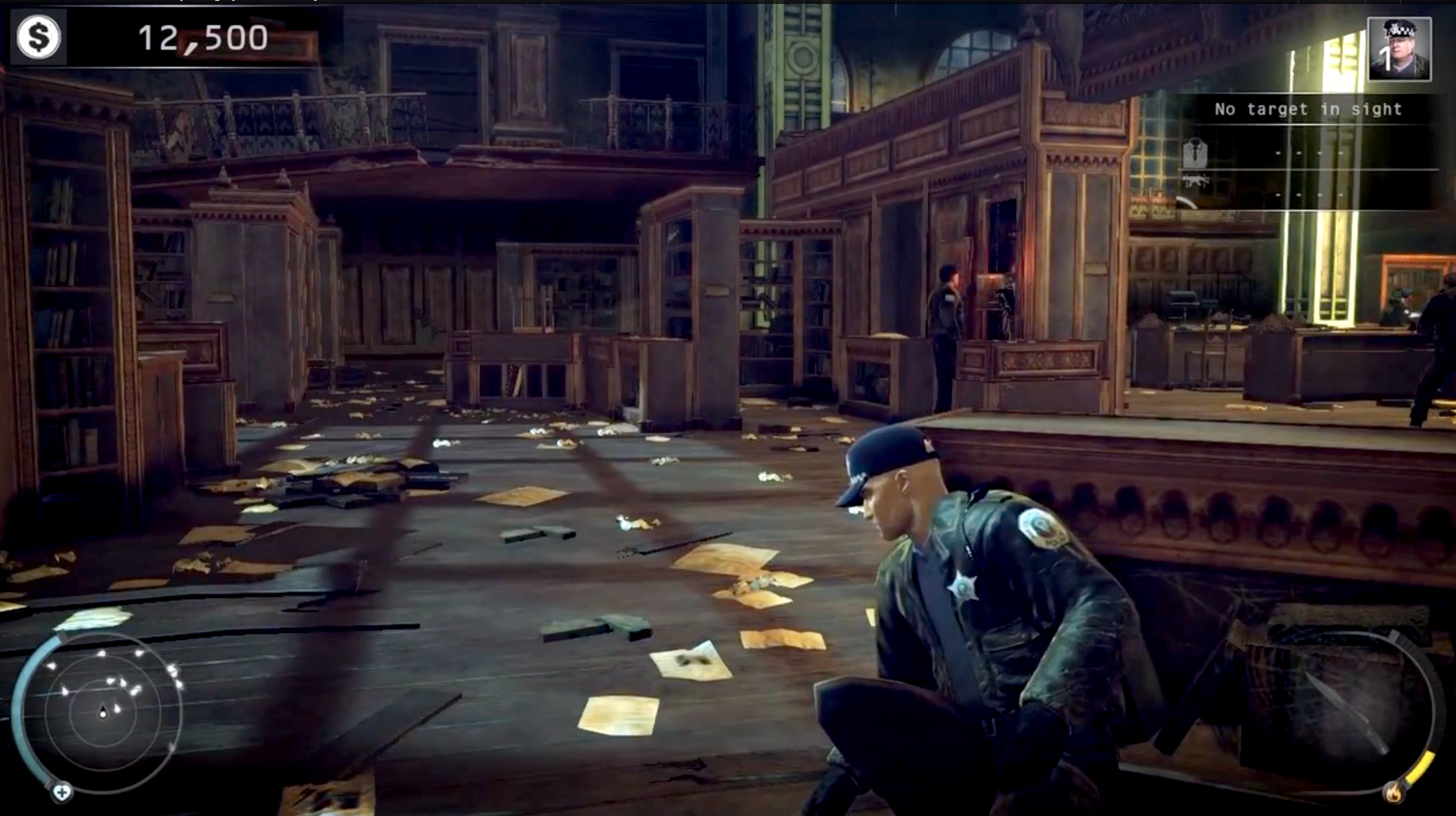 Achievements are simultaneously one of the best and worst things to ever have been added to games. They give a lot of added value to some players who like to complete everything; giving them an easy to manage list of everything that they need to “complete” a game. That is good for that kind of person, but it also has two very detrimental effects for people of a different kind.
The advent of achievements means, for many, that anything outside of the realms of achievements or trophies is worthless. The “fun” that people used to have is replaced by a desperate need to achieve something (which in itself is worthless, who cares about achievement points anyway?) but they boil down into check lists. The second, and most painful reaction, is that the mystery of many games is now gone. The secret things that only the most dedicated found is now handily listed as an achievement. -
Baldur’s Gate 2: Enhanced Edition
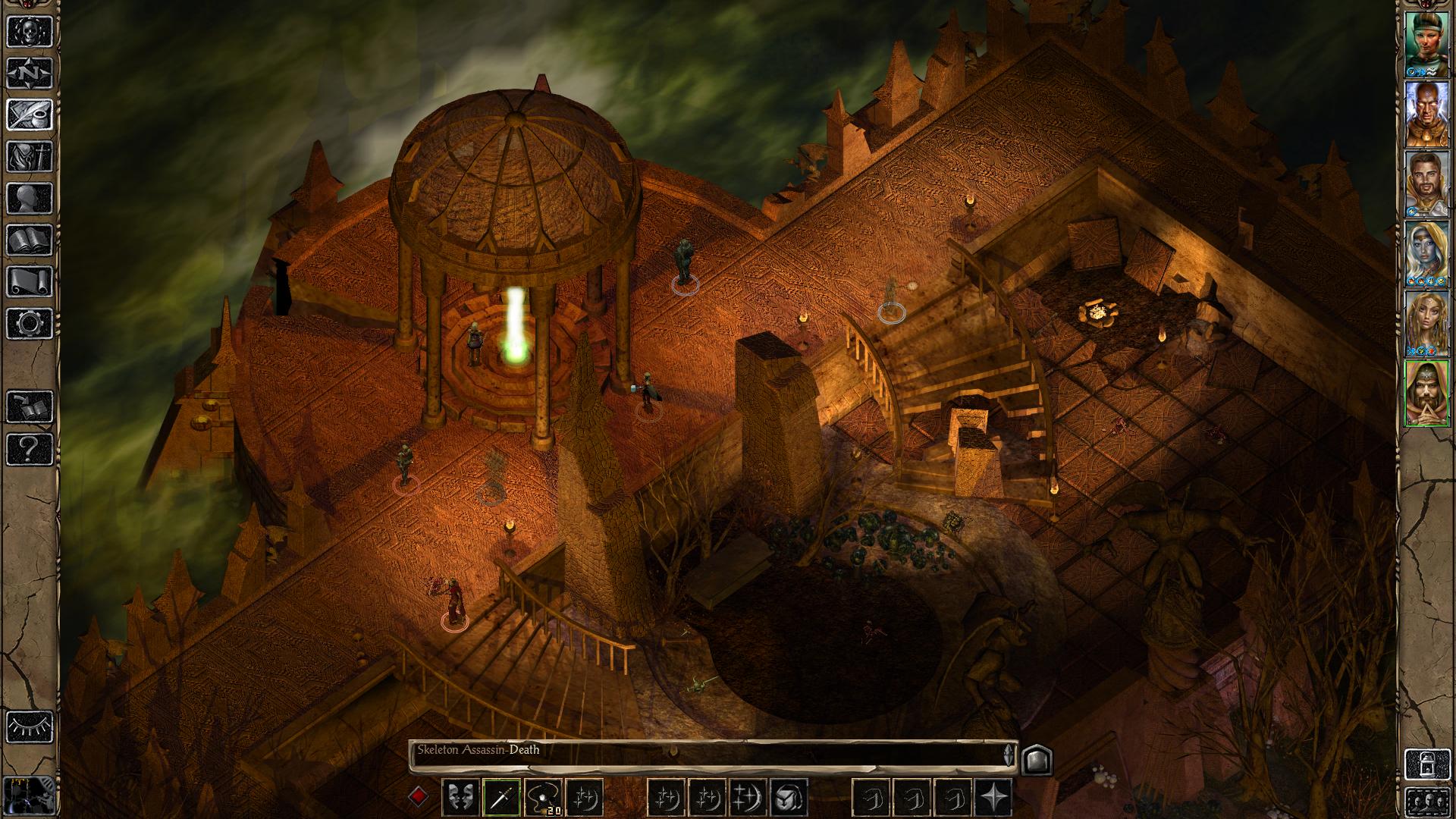 We live in an age of remasters and remakes in the videogame world, in fact more broadly across the whole media spectrum we are seeing old classics remade and retooled for modern audiences. Oftentimes these games are only a couple of years old, ported up and touched up for modern machines and charged often full price for their efforts. The argument is that many gamers would have missed out on these games first time around, but in truth it’s an easy buck for publishers who are always looking to fill their release calendars.
Occasionally though there are games deserving of a revisit. Baldur’s Gate 2 is often revered by fans as one of the greatest CRPGs of all time; with a wide, branching storyline and varied, deep and interesting combat mechanics. It is possible to play the game as it was intended, but the Enhanced Edition has taken away much of the hassle of getting the game to run well and look great. -
Persona 4: The JRPG for the masses
 The term JRPG (or Japanese Role Playing Game) has become tainted in recent years. With a seemingly crazy obsession with “fan service” (trust me, don’t bother looking it up) the genre has become increasingly marginalised with western audiences. Only the mainstay series of things like Final Fantasy and Dragon Quest have maintained their roots and maintain that appeal. One other series that walks a fine line is the Persona series (and the Shin Megami Tensei series.) The games typically focus on a group of high school students dealing with various supernatural problems and have, over the course of the series, become increasingly popular.
Persona 4 was released on the Playstation 2 to a warm reception; however releasing late in the life cycle meant that the Playstation 3 and Xbox 360 were dominating most of the gaming headlines. The game got a second lease of life, however, with an “Ultimate” edition released for the Playstation Vita. Persona 4: Golden has gone on to achieve mainstream success and stoke the fires for the Playstation 3 and 4 release of Persona 5; due out in Japan this year.